Neurodivergent teens are phenomenal. Deep thinking, highly perceptive, often brilliantly wired. But boy, can they push parents to the edge. When teenage hormones and the neurodivergent nervous system collide, emotional swings, constant drama, defiance, rudeness, school avoidance and other challenging behaviours can set in, leaving families exhausted and often in crisis.
The Rosa Banks Method is a unique approach to supporting neurodivergent young people and their families through the teen years. Designed to work with the nuances of the neurodivergent nervous system, the approach provides practical tips and strategies that form the bridge families need to move from chaos to calm.

The Rosa Banks Method
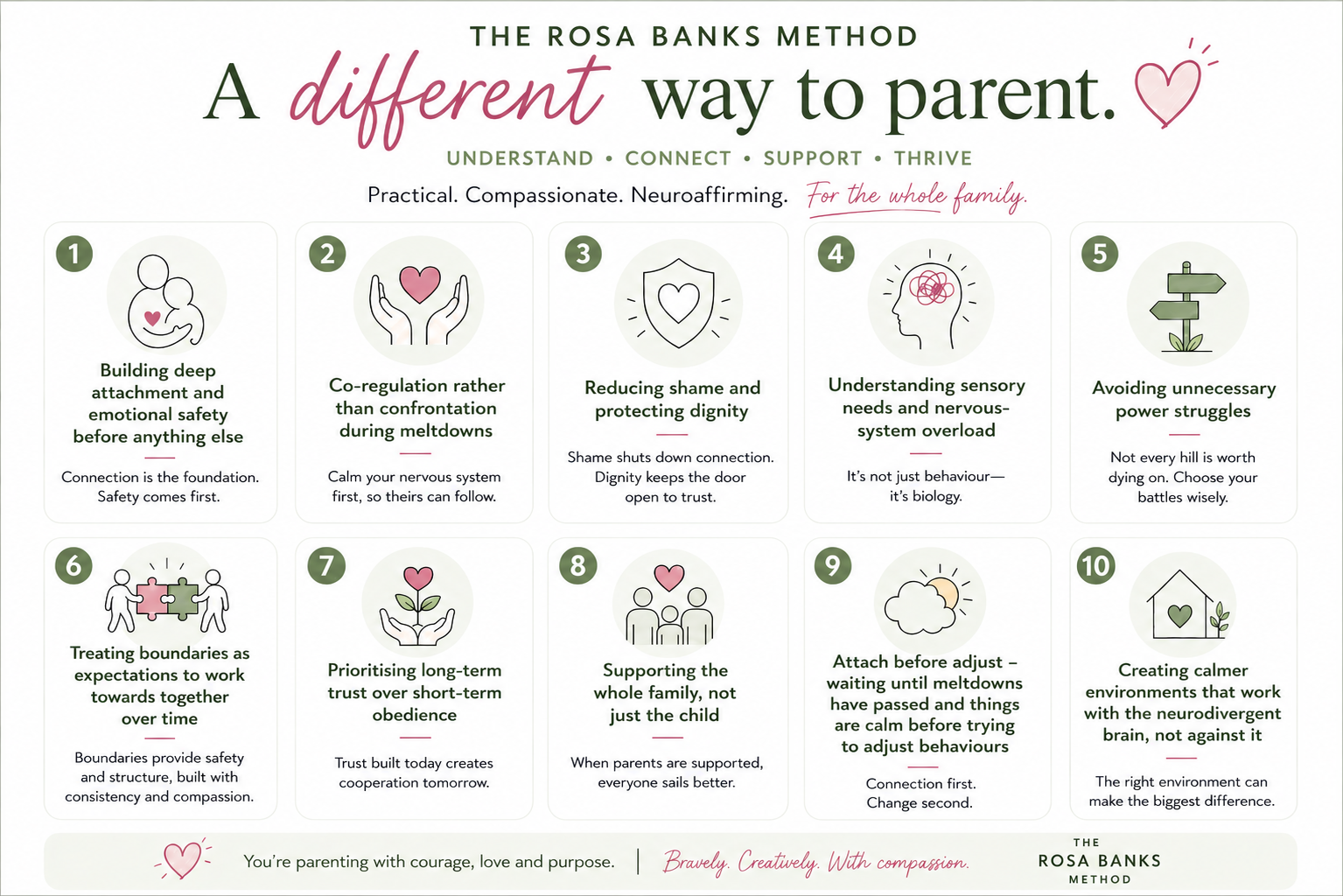
The Rosa Banks Method is a nervous-system-informed approach to parenting neurodivergent teens which swaps control for connection, punishment for regulation, and perfection for steadier, safer family life.
At its heart is the understanding that many challenging behaviours are not signs of a “bad” child, but signals of an overwhelmed nervous system. Rather than asking, “How do I stop this behaviour?”, the method asks, “What is driving it and what does this child need in order to feel safe enough to regulate?”
The approach combines lived experience with established psychology, neuroscience, attachment theory, behavioural science, and practical family systems thinking. It recognises that traditional parenting strategies often fail neurodivergent teens because they rely heavily on compliance, delayed rewards, emotional self-regulation, and tolerance of pressure, all things many spicy teens struggle with when stressed.
The method also recognises something many families quietly experience: parenting neurodivergent teens can feel isolating, frightening, and emotionally relentless. Humour, warmth, community, realistic expectations, and compassion for parents themselves are therefore not fluffy extras, they are essential survival equipment. Importantly, this is not permissive parenting and it is not “giving in.”
The Rosa Banks Method still believes in boundaries, accountability, repair, and helping young people grow. But it argues that children learn best when they feel safe, connected, and understood, not when they are dysregulated, shamed, or locked in constant conflict
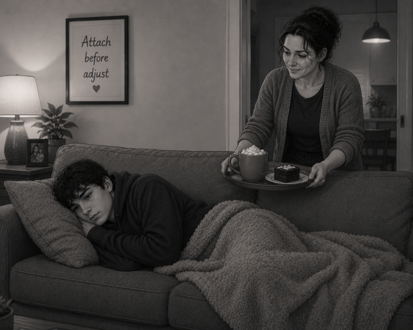
The Rosa Banks Method is about creating a calmer, more connected household by putting relationships, emotional safety and understanding first.

Frequently Asked Questions
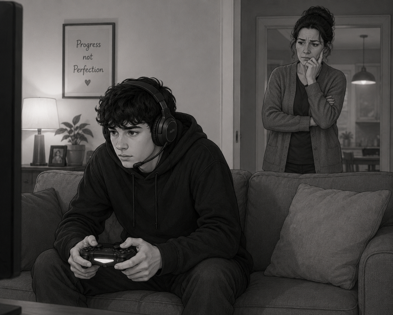
Home is usually the safest place your child knows. They may spend all day masking, coping with sensory overload, navigating social rules, and holding themselves together. By the time they walk through the front door, the tank is empty. What looks like “saving all their bad behaviour for you” is often the opposite. It is a sign that they trust you enough to let the mask drop. It doesn’t feel like a compliment when you’re being sworn at over a bowl of cereal, but home is often where the nervous system finally stops pretending everything is okay.
Probably, yes. Just perhaps not on the timeline you imagined. Neurodivergent development is often uneven. A teenager who cannot organise their laundry may be able to explain quantum physics. A young adult who struggles with phone calls may thrive in employment. Try not to compare your child to other people’s children. Compare them to who they were six months ago. Independence is not a race. It is a gradual process of building confidence, skills, and safety. Some journeys take longer than others, but longer does not mean never.
Because what looks tiny to you may not feel tiny to them. Neurodivergent nervous systems can amplify discomfort, uncertainty and emotional stress. A scratchy label, unexpected change or confusing social interaction may hit with the intensity of a car alarm inside the brain. Once several small stressors stack together, the final trigger can appear wildly disproportionate. That is why a meltdown over the wrong spoon is rarely about the spoon. The spoon is simply the final seagull that pushed the pirate ship over. Understanding this does not mean accepting harmful behaviour, but it does help you respond with curiosity rather than disbelief and outrage.
If you’re showing up, repairing after mistakes, building connection, and trying to understand your child rather than control them, you’re probably far more on track than you realise. Parenting a neurodivergent teen rarely looks neat or impressive from the outside. Progress is often measured in tiny steps, not giant leaps. Trust the relationship. Trust the small wins. And you are here! On this website. Trying to learn. Doing your best. Give yourself a break.
Bringing the Rosa Banks Method to Life
The Rosa Banks Method website is a free resource designed to give parents an overview of the approach, offering practical guidance, reassurance, and some of the key principles behind the method but The New Compass book is where the approach really comes to life. With detailed explanations, neuroscience, lived experience, humour, case studies, reflections, and step-by-step strategies for navigating the realities of raising a neurodivergent teen, its the handbook many families need. It explains not just what to do, but how to do it in the middle of real family life, when emotions are high, everyone is exhausted, and traditional parenting advice simply is not working.
The New Compass is where the method is explored in full. Part survival guide, part practical handbook, the book brings the approach to life through detailed explanations, neuroscience, lived experience, humour, case studies, reflections, and step-by-step strategies for navigating the realities of raising a neurodivergent teen. It explains not just what to do, but how to do it in the middle of real family life, when emotions are high, everyone is exhausted, and traditional parenting advice simply is not working.
Designed for parents who feel overwhelmed, isolated, or stuck in constant crisis, The New Compass offers a compassionate and evidence-informed roadmap for building calmer, safer, more connected family relationships while working with the neurodivergent nervous system, not against it.
Buy the book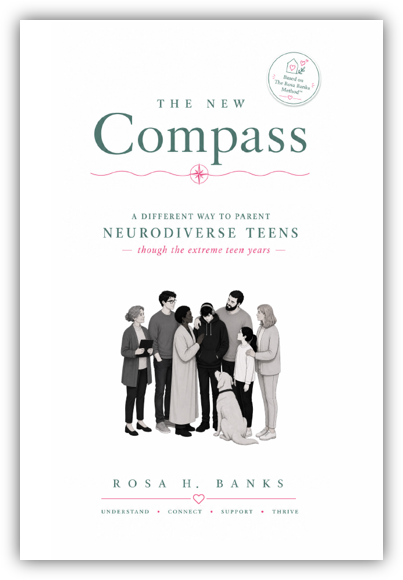
About Rosa
Rosa H. Banks is a writer, consultant, technology strategist and mum who developed what is becoming known as The Rosa Banks Method, an approach to supporting neurodivergent teenagers and their families that blends nervous system insight, practical strategy, warmth and real-world compassion.
In her professional life, Rosa spent years working in complex research and strategy environments, taking huge amounts of information, evidence, competing opinions and technical detail and turning them into frameworks that were accurate, useful and actionable. When her own family began struggling with the realities of raising a neurodivergent teenager, she found herself applying exactly the same mindset at home.
Faced with emotional storms, school struggles, anxiety, shutdowns and daily unpredictability, Rosa immersed herself in the research around nervous systems, regulation, behaviour, stress and communication. As her understanding deepened, so did her training, eventually leading her to support many other families navigating similar challenges.
The Rosa Banks Method grew from this work: bringing together published research, professional learning, lived experience and practical tools into an approach that helps families move away from constant conflict and towards greater connection, regulation and ultimately calmer waters.
Contact Rosa Banks
Please get in touch if you would like any more information by emailing rosahbanks@gmail.com